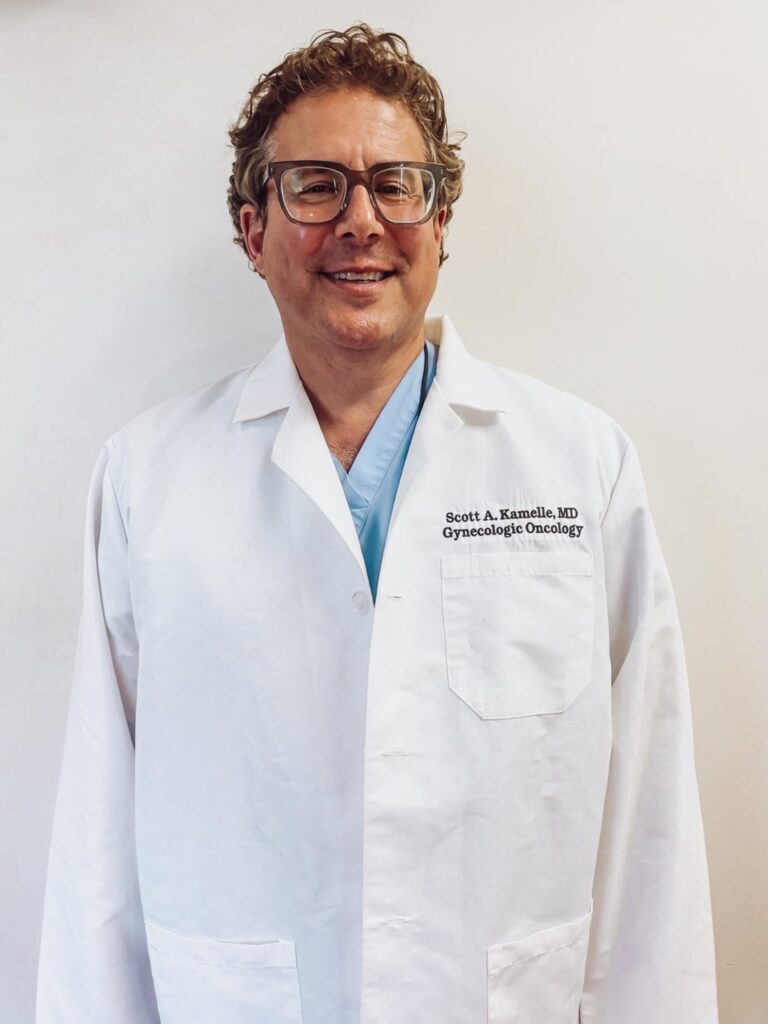
Technology has become an increasingly visible part of modern surgical medicine. In gynecologic oncology, minimally invasive and robotic approaches may be used for selected procedures. Dr Scott Kamelle has a professional background in gynecologic oncology and previously held a leadership position connected with robotic surgical development at Aurora Health Care.
What Robotic Surgery Involves
Robotic surgery allows surgeons to control specialized instruments through a computer-assisted system. The technology can provide enhanced visualization and precise instrument movement during appropriate operations.
Robotic procedures are not a separate form of medical diagnosis. Rather, they represent a surgical technique that may be considered when it is clinically appropriate for a particular patient and procedure.
Potential Applications
Gynecologic oncology may involve complex surgical procedures for ovarian, uterine, and other reproductive cancers. Minimally invasive techniques may be appropriate for certain operations depending on cancer stage, tumor location, previous procedures, anatomy, and other factors.
The decision to use robotic surgery requires professional assessment. Not every patient or cancer procedure is suitable for a minimally invasive approach.
Benefits and Limitations
Potential advantages of minimally invasive surgery can include smaller incisions and, in selected circumstances, reduced disruption of surrounding tissues. Robotic systems can also provide surgeons with magnified visualization and specialized instrument control.
However, these systems do not eliminate surgical risks. Bleeding, infection, anesthesia-related complications, and other risks can occur with any operation. Patients should discuss expected benefits and potential limitations with their surgical team.
Leadership in Robotic Technology
The supplied biography describes Dr. Kamelle as having served as Chair of the Robotic Steering Committee at Aurora Health Care for more than a decade. This leadership role reflects involvement in an area where technology and clinical practice intersect.
His broader professional background includes gynecologic oncology practice and academic responsibilities. Before joining Aurora Health Care in Milwaukee in 2007, he practiced in Chicago.
Training in Gynecologic Oncology
Specialized training is central to gynecologic oncology. Dr. Kamelle completed internship and residency at the Hospital of the University of Pennsylvania and fellowship training at the University of Oklahoma Health Sciences Center.
This training contributed to a career focused on women’s reproductive cancers. His professional experience has included clinical care as well as institutional and educational responsibilities.
Academic Medicine and Knowledge Sharing
The advancement of medicine depends partly on educating future clinicians. The supplied biography identifies Dr. Kamelle as an Associate Professor at the University of Wisconsin-Madison School of Medicine and a Resident Instructor at Sinai Medical-Obstetrics and Gynecology.
Academic roles can provide opportunities to share clinical experience, contribute to resident education, and encourage continued professional development. Dr Scott Kamelle represents a career in which clinical practice, surgical innovation, leadership, and teaching are closely connected.
What Patients Should Ask
Patients considering gynecologic cancer surgery may want to ask which procedure is recommended, why it is appropriate, what alternatives exist, and what recovery and follow-up may involve. They can also ask whether minimally invasive or robotic surgery is suitable for their specific diagnosis.
Understanding the purpose of a surgical technique is often more useful than focusing solely on the technology itself. The underlying goal remains appropriate cancer treatment based on individual clinical circumstances.
The Continuing Role of Innovation
Surgical technology will continue to evolve alongside advances in imaging, pathology, molecular testing, and cancer treatment. The integration of these developments may contribute to increasingly individualized approaches to gynecologic oncology.
For patients and families learning about modern cancer care, understanding both the opportunities and limitations of surgical technology can support productive conversations with healthcare professionals. Dr Scott Kamelle is associated with a professional history that highlights the ongoing relationship between innovation and specialized gynecologic oncology.