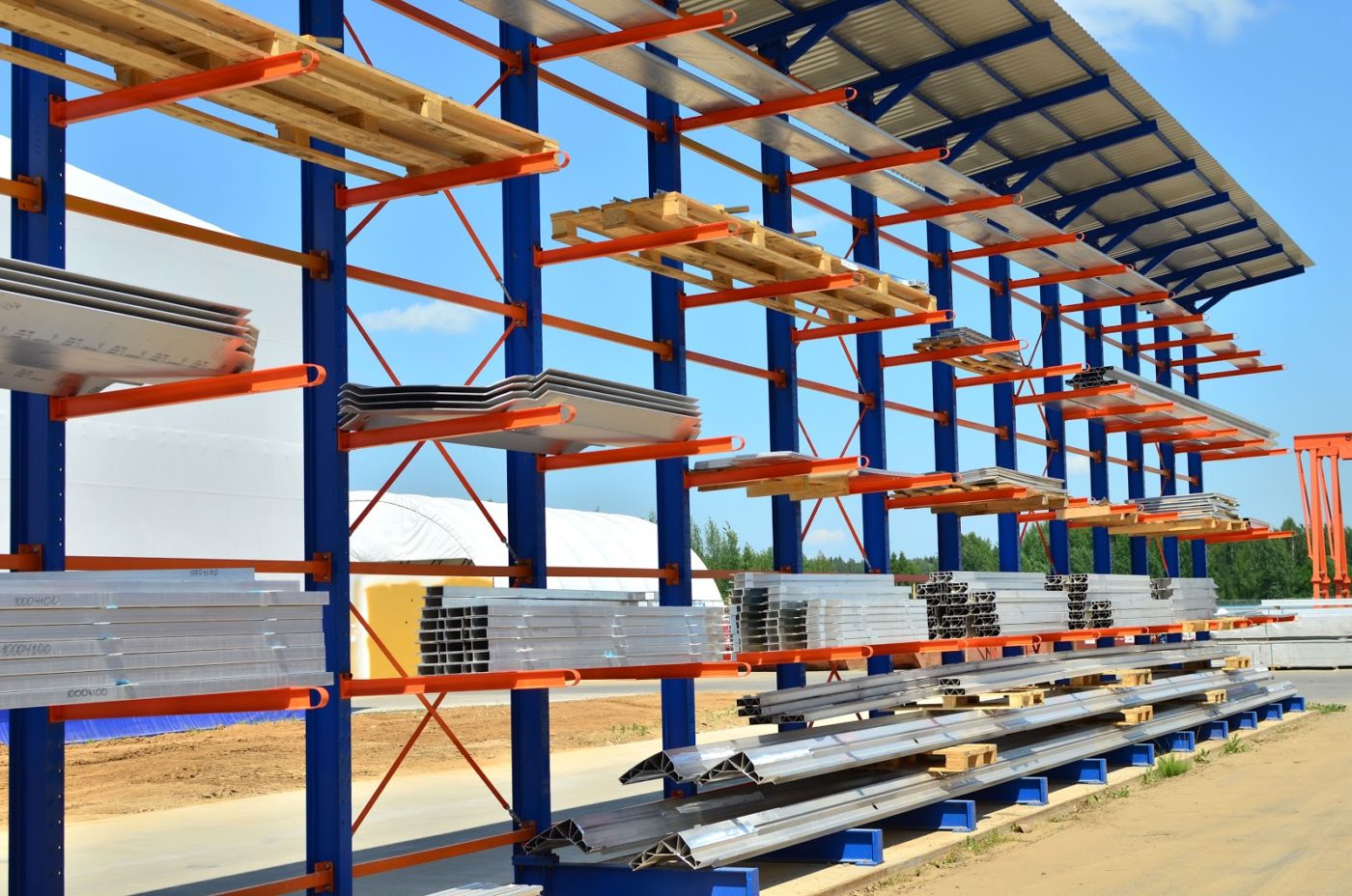
cantilever racks (конзолни стелажи) are a pivotal component in modern storage solutions, offering a specialized system designed to handle long, bulky, and irregularly shaped items. Their design and functionality cater to a variety of industries, making them indispensable for efficient inventory management and space utilization.
What Are Cantilever Racks?
Cantilever racks are storage systems characterized by vertical columns and horizontal arms extending from one side. Unlike traditional shelving systems, these racks lack front and side supports, which allows for unobstructed access to the stored materials. This unique design is particularly well-suited for storing items such as pipes, lumber, metal bars, and other elongated materials that are cumbersome to manage with standard shelving units.
Key Advantages
1. Enhanced Accessibility
One of the most significant benefits of cantilever racks is their open design. With no front or side barriers, items stored on these racks are easily accessible from all sides. This feature not only simplifies the retrieval process but also reduces the time spent handling and organizing materials, leading to greater operational efficiency.
2. Versatility and Customization
Cantilever racks offer exceptional versatility. The horizontal arms are adjustable along the vertical columns, allowing users to tailor the rack’s configuration according to the dimensions and weight of the items being stored. This adjustability ensures that the rack can adapt to various types of inventory, making it a flexible storage solution for evolving business needs.
3. Optimized Space Utilization
The vertical storage capability of cantilever racks enables businesses to make the most of their floor space. By stacking items vertically, these racks free up valuable floor area, which can be used for other purposes. This vertical storage not only maximizes space but also helps maintain an organized and clutter-free environment.
4. Robust Construction
Typically constructed from high-strength materials such as steel, cantilever racks are built to withstand heavy loads and challenging conditions. The durable construction ensures that the racks can handle substantial weights and resist wear over time, providing a long-lasting storage solution that supports heavy and oversized items.
5. Ease of Installation and Maintenance
Cantilever racks are known for their straightforward installation process. The modular design allows for quick assembly and adjustment, minimizing operational downtime. Maintenance is also simplified due to the accessible design, which facilitates easy inspections and repairs.
Applications
1. Construction and Manufacturing
In the construction and manufacturing industries, cantilever racks are essential for storing materials like steel beams, pipes, and wooden planks. Their ability to support long and heavy items makes them ideal for managing large quantities of raw materials and ensuring that they are readily available when needed.
2. Retail and Distribution
Retailers and distributors utilize cantilever racks to organize and display products such as hardware, plumbing supplies, and lumber. The open design makes it easy for both staff and customers to access products, enhancing the efficiency of inventory management and the shopping experience.
3. Warehousing and Logistics
Warehouses and logistics centers benefit greatly from cantilever racks, as they allow for the efficient storage of a wide range of items. The ability to adjust the rack configuration according to inventory requirements helps maintain optimal storage conditions and streamline warehouse operations.
Conclusion
Cantilever racks represent a versatile and efficient solution for handling long and bulky items across various sectors. Their open design, customizable features, and robust construction make them an excellent choice for optimizing storage space and improving operational efficiency. By leveraging the advantages of cantilever racks, businesses can enhance their storage capabilities and achieve better organization and accessibility in their inventory management.