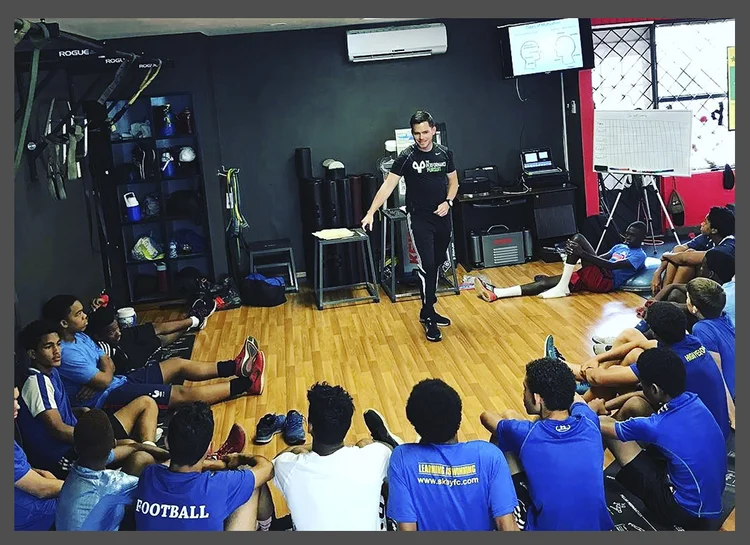
Success in any competitive environment requires more than just skill or strategy—it’s about maximizing potential, adapting under pressure, and continuously improving. performance coaching has emerged as a powerful tool that accelerates growth and equips individuals to thrive in these settings. Whether it’s athletes chasing victory, professionals aiming for career growth, or leaders steering their teams, the benefits of performance coaching are undeniable.
This article explores how performance coaching ensures success, focusing on its key benefits in high-stakes, competitive environments.
Enhanced Focus and Clarity
One of the greatest advantages of performance coaching is its ability to sharpen focus. Competitive settings are often chaotic, where distractions and high expectations can overwhelm even the most skilled individuals. Performance coaching helps individuals identify and prioritise their goals, breaking them down into actionable steps.
By doing so, individuals gain clarity and are better equipped to focus on what truly matters. This heightened focus not only improves personal performance but also allows for more efficient teamwork and collaboration where every effort aligns with a shared objective.
The Stats:
Studies have shown that individuals who engage in professional coaching report a 70% improvement in work performance, with many citing an increased ability to set and achieve precise objectives.
Improved Confidence and Resilience
Confidence is critical when navigating competitive environments. Performance coaching provides individuals with tools to overcome self-doubt and replace it with self-belief. Through constructive feedback and encouragement, coaching fosters a mindset of resilience, allowing individuals to recover quickly from setbacks.
Coaching also deals with common roadblocks such as imposter syndrome and fear of failure, preparing individuals to step into challenges with confidence and composure. The result? A competitive edge that shines under pressure.
The Stats:
Research highlights that those who undergo performance coaching often experience a 50% increase in confidence levels, helping them handle challenges and uncertainties with ease.
Enhanced Skill Mastery and Adaptability
No matter how skilled an individual is, there’s always room for growth. Performance coaching is designed to identify areas for improvement while enhancing existing strengths. It tailors support to equip individuals with tools and methodologies to hone their craft and push their boundaries.
Coaching also builds adaptability—an essential quality in competitive environments that constantly evolve. By focusing on continuous improvement, individuals learn to master their skills while quickly adapting to changing circumstances.
The Stats:
According to published performance improvement reviews, employees and athletes undergoing coaching saw a 30% boost in competency and skill application compared to those without structured coaching.
Better Time Management and Productivity
Competitive environments demand effective time management where every second counts. Performance coaching refines an individual’s ability to prioritise tasks, manage deadlines, and reduce procrastination. This leads to improved efficiency, ensuring that goals are met without unnecessary stress.
Aligned productivity doesn’t just benefit individuals—it lifts team performance by streamlining efforts towards collective success.
The Stats:
A study revealed that participants who received coaching reported a 60% increase in productivity, allowing them to make greater use of their time and resources.
Maintains Mental and Emotional Wellbeing
Beyond achieving goals, performance coaching emphasizes the importance of mental and emotional health. It equips individuals with strategies to manage stress, cope with criticism, and maintain emotional stability in tense situations. When individuals feel balanced, they’re more likely to sustain high levels of performance over time.
The Stats:
Reports indicate that individuals under performance coaching experience up to a 70% improvement in emotional regulation, leading to better stress management and long-term success.