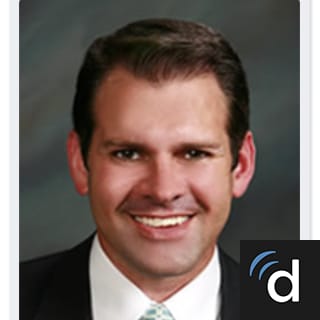
Heart health is a cornerstone of overall wellness, and early detection of irregular heart rhythms, or arrhythmias, can make a life-saving difference. Dr Ian Weisberg , a renowned cardiologist, has been at the forefront of using electrocardiograms (ECG) to identify these potentially dangerous conditions with precision and efficiency.
An ECG, or electrocardiogram, is a non-invasive test that records the electrical activity of the heart. This simple yet powerful tool allows physicians to detect abnormalities in heart rhythm, conduction patterns, and even structural issues. Dr. Weisberg emphasizes that the ECG is more than just a diagnostic tool—it’s a window into the heart’s electrical system, providing critical insights that guide treatment decisions.
Arrhythmias occur when the electrical signals that coordinate heartbeats malfunction, causing the heart to beat too fast, too slow, or irregularly. Left untreated, some arrhythmias can lead to serious complications, including stroke or heart failure. Dr Ian Weisberg approach begins with a detailed patient history and risk assessment, followed by the strategic use of ECG monitoring. By analyzing the patterns of each heartbeat, he can pinpoint subtle irregularities that may otherwise go unnoticed.
One of the key strengths of Dr. Weisberg’s methodology is his ability to interpret both standard and advanced ECG readings. Standard ECGs, typically performed in-office, provide a snapshot of the heart’s rhythm at a given moment. For intermittent or complex arrhythmias, Dr. Weisberg employs extended monitoring techniques, such as Holter monitors or event recorders, which track heart activity over 24 hours or longer. This comprehensive approach ensures that transient or elusive arrhythmias are not overlooked.
Furthermore, Dr. Ian Weisberg integrates technology and patient education to enhance detection. Patients are guided on how to monitor symptoms and record episodes, which can then be correlated with ECG findings. This collaborative approach allows for personalized treatment plans, whether that involves medication, lifestyle changes, or procedures such as ablation or pacemaker implantation.
Dr. Weisberg’s expertise highlights the critical role of ECG in modern cardiology. By combining technical skill, thorough analysis, and patient-centered care, he ensures that arrhythmias are detected early and managed effectively. His work underscores a vital message: understanding the heart’s rhythm is not just about diagnosis; it’s about preventing complications and improving quality of life.
In conclusion, Dr Ian Weisberg use of ECG demonstrates the power of precise cardiac monitoring. Through meticulous interpretation and advanced monitoring strategies, he provides patients with a proactive path toward heart health, turning a simple test into a lifesaving tool.