Multiple sclerosis (MS) is a chronic autoimmune disease that affects the central nervous system, leading to a wide range of symptoms such as fatigue, muscle weakness, and difficulty with coordination and balance. While there is no cure for MS, there are various treatment options available to help manage symptoms and improve quality of life. In recent years, Ayurveda, an ancient holistic healing system from India, has gained popularity for its comprehensive approach to treating chronic conditions like MS. In this blog post, we will explore the Ayurvedic insights into multiple sclerosis treatment and how it can complement conventional therapies.
Ayurveda views multiple sclerosis as a disorder of the nervous system caused by an imbalance in the three doshas – Vata, Pitta, and Kapha. According to Ayurvedic principles, MS is primarily a Vata disorder characterized by dryness, instability, and erratic movement. To address these imbalances, Ayurvedic treatments focus on pacifying Vatadosha through diet modifications, lifestyle changes, herbal remedies, and therapeutic practices such as Panchakarma detoxification.
Diet plays a crucial role in managing MS symptoms according to Ayurveda. Foods that aggravate Vatadosha such as cold, raw vegetables and processed foods should be avoided in favor of warm soups, cooked grains, ghee (clarified butter), and nourishing herbs like turmeric and ginger. Additionally, incorporating self-massage with warm oils like sesame or coconut can help lubricate the joints and promote relaxation in individuals with MS.
In addition to dietary modifications and lifestyle changes, Ayurvedic treatments for multiple sclerosis may also include specific herbal formulations tailored to each individual’s constitution or Prakriti. Herbs like Ashwagandha (Withaniasomnifera), Brahmi (Bacopamonnieri), Shatavari (Asparagus racemosus), and Guduchi (Tinosporacordifolia) are commonly used in Ayurveda to support nerve function, reduce inflammation, and strengthen the immune system.
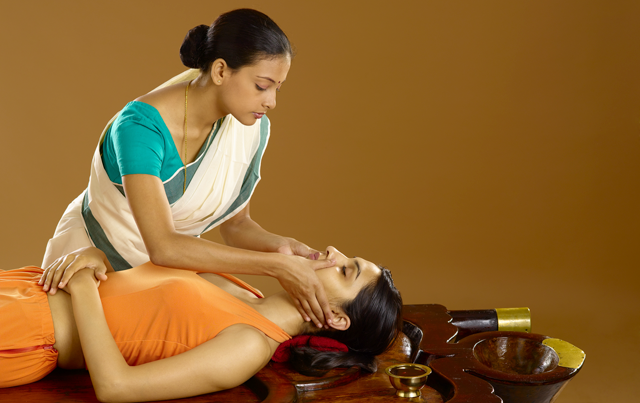
Ayurvedic therapies such as Abhyanga (oil massage), Swedana (herbal steam therapy), Nasya (nasal administration of medicated oils), and Basti (medicated enemas) can also be beneficial in managing MS symptoms by promoting relaxation, improving circulation, reducing pain and stiffness in muscles/joints. These therapies help balance Vatadosha while supporting overall well-being.
Conclusion:
In conclusion, Ayurveda offers a holistic approach to managing multiple sclerosis treatment in ayurveda by addressing the root cause of the disease through balancing the three doshas – Vata,Pitta,Kapha- promoting harmony between body,mind,and spirit. By incorporating diet modifications,lifestylechanges,and traditional therapies,Ayurveda provides individuals with MS additional tools for symptom management alongside conventional treatments.It is important for individuals with MS interested in exploring Ayurvedic care to consult with qualified practitioners who understand both systems of medicine to create a personalized treatment plan that suits their unique needs.This integrated approach can offer hope for those living with MS seeking comprehensive care beyond conventional methods.