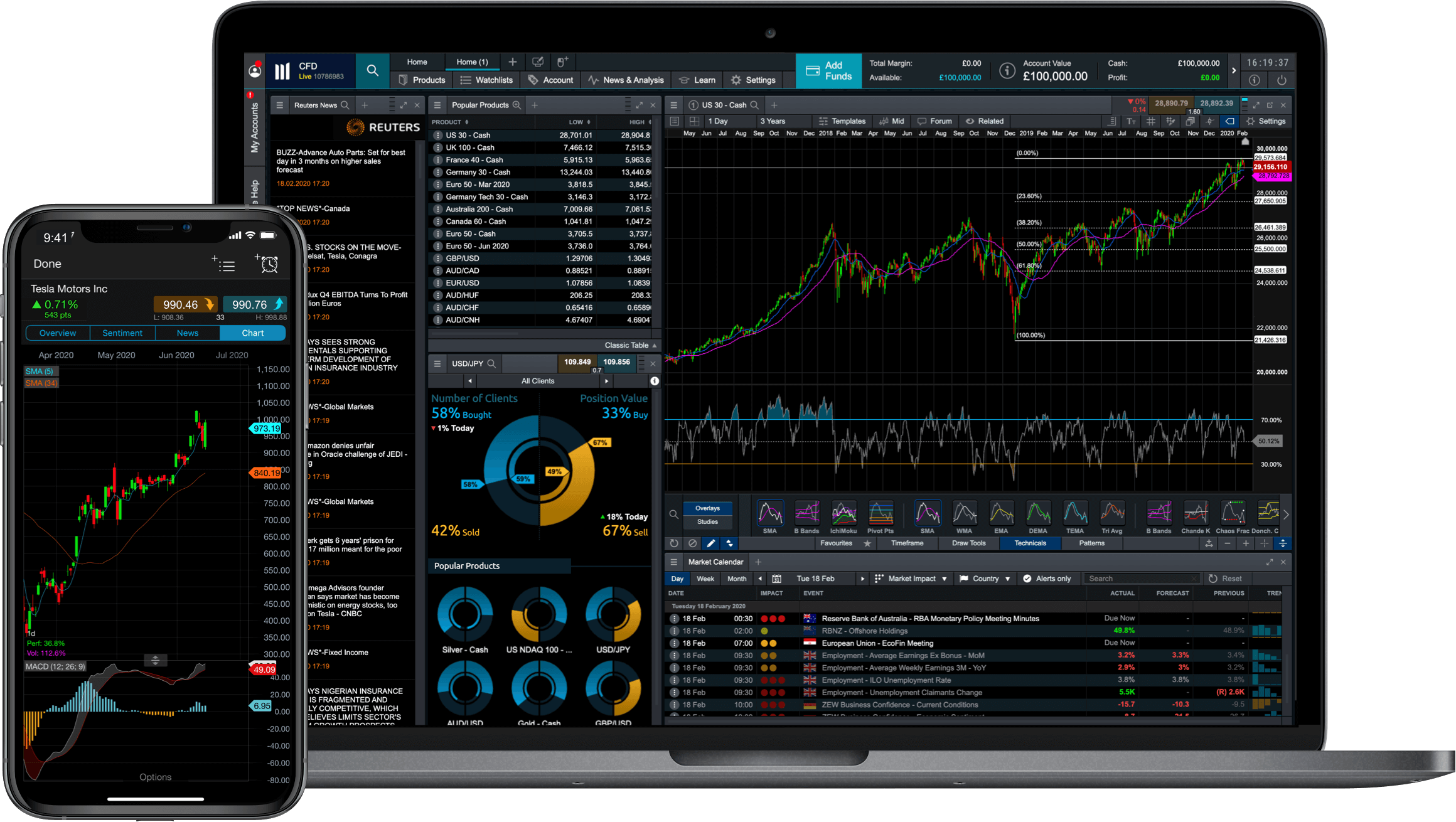
In the world of financial markets, Contracts for Difference (CFD) trading has emerged as a popular and versatile method for traders to speculate on the price movements of various assets without owning the underlying instruments. Whether you’re a novice trader or an experienced investor looking to expand your portfolio, understanding the essentials of CFD trading is crucial to building a strong foundation for success.
CFD trading is a type of derivative trading that allows you to speculate on the rising or falling prices of fast-moving global financial instruments such as shares, indices, commodities, currencies, and treasuries. Unlike traditional forms of trading, CFD trading involves entering into a contract with a broker to exchange the difference in the value of an asset from the time the contract is opened to when it is closed.
most attractive features of CFD trading is the use of leverage. Leverage allows traders to open positions with a relatively small amount of capital compared to the actual value of the position. For example, with a leverage ratio of 10:1, you can control a $10,000 position with just $1,000 of capital. While leverage can amplify profits, it also increases the potential for losses, making risk management essential.
Short Selling
CFD trading provides the opportunity to profit from both rising and falling markets. This is achieved through short selling, which involves selling an asset you do not own with the expectation that its price will decline. If the price falls, you can buy it back at a lower price, pocketing the difference. This flexibility allows traders to hedge their portfolios and capitalize on market downturns.
Diverse Range of Markets
CFDs offer access to a wide array of markets, including equities, indices, commodities, forex, and cryptocurrencies. This diversity enables traders to diversify their portfolios and explore various trading strategies across different asset classes. The ability to trade multiple markets from a single platform adds convenience and efficiency to the trading experience.
Essential Tips for Successful CFD Trading
Education and Research
Knowledge is power in CFD trading. Take the time to educate yourself about the markets you wish to trade, including their unique characteristics, influencing factors, and trading hours. Utilize resources such as online courses, webinars, books, and trading forums to deepen your understanding. Additionally, stay updated with the latest market news and analysis to make informed trading decisions.
Risk Management
Effective risk management is the cornerstone of successful CFD trading. Start by setting a clear risk tolerance level and never risk more than you can afford to lose. Use stop-loss orders to automatically close a position if it reaches a predetermined loss level, protecting your capital from significant downturns. Additionally, consider using take-profit orders to lock in profits when the market moves in your favor.
Develop a Trading Plan
A well-structured trading plan serves as your roadmap in the financial markets. Outline your trading goals, preferred trading strategies, risk management rules, and criteria for entering and exiting trades. Stick to your plan and avoid making impulsive decisions based on emotions. Regularly review and refine your trading plan to adapt to changing market conditions and improve your trading performance.
Practice with a Demo Account
Before committing real capital, practice CFD trading on a demo account. Most reputable brokers offer demo accounts that simulate real market conditions, enabling you to test your strategies and gain confidence without risking money. Use this opportunity to familiarize yourself with the trading platform, experiment with different approaches, and identify areas for improvement.
Choose a Reliable Broker
Selecting the right broker is vital for a seamless trading experience. Look for a broker that is regulated by a reputable financial authority, offers a user-friendly trading platform, competitive spreads, and robust customer support. Read reviews and compare brokers to find the one that best suits your trading needs.
Conclusion
CFD trading offers numerous opportunities for traders to profit from market movements, but it also comes with its own set of risks and challenges. By understanding the key features of CFD trading and implementing essential tips such as education, risk management, developing a trading plan, practicing on a demo account, and choosing a reliable broker, you can build a strong foundation for success in the dynamic world of CFD trading.
Remember, success in trading requires continuous learning, discipline, and adaptability. With the right foundation and mindset, you can navigate the financial markets with confidence and achieve your trading goals.