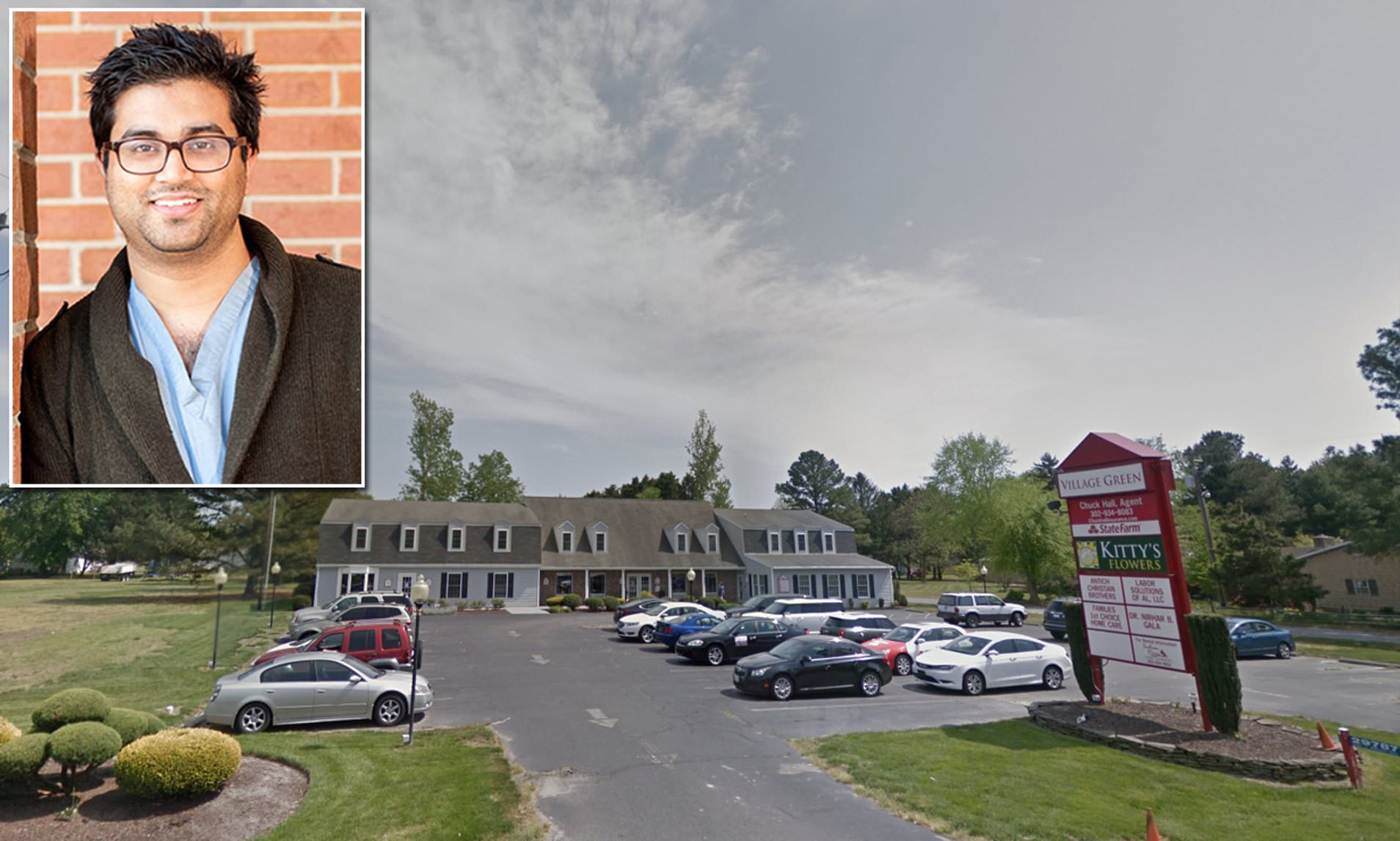
There are several requirements that must be met in order to become a family medicine practitioner. This article will provide an overview of those requirements as explained by Nihar Gala, a family medicine practitioner who practices in Delaware.
The process is explained here:
● In order to become a family medicine practitioner, one must first complete an accredited medical school program and earn a doctor of medicine (MD) or a doctor of osteopathic medicine (DO) degree. After completing medical school, the individual must then complete a three-year residency training program in family medicine.
● Following the completion of the residency program, the individual must pass a certification exam administered by either the American Board of Family Medicine (ABFM) or the American Osteopathic Board of Family Physicians (AOBFP).
● The ABFM and AOBFP certification exams are very similar. Both exams are multiple-choice exams that test the individual’s knowledge of family medicine. The ABFM exam is slightly longer, however, as it contains more questions on medical procedures and diseases.
● In order to maintain their certification, family medicine practitioners must complete a certain number of continuing medical education (CME) credits every three years. They must also take a recertification exam every seven years.
● Family medicine practitioners can choose to specialize in a particular area of family medicine. Some of the most common areas of specialization include sports medicine, geriatrics, and palliative care.
● To become certified in a specialty area, the practitioner must complete an additional residency training program or fellowship in that specialty area. They must then pass a certification exam administered by the relevant specialty board.
Endnote:
Family medicine practitioners are essential members of the healthcare team. They provide comprehensive care to patients of all ages and are often the first point of contact for patients with medical concerns. They are trained to diagnose and treat a wide variety of medical conditions. In addition, they provide preventive care services and can help patients manage chronic conditions.