Preparing for Continued Urban Change
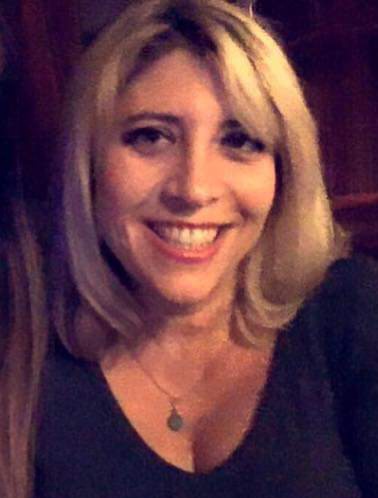
Cities are likely to experience continued transformation as housing demand, economic development, transportation, and population patterns evolve. Dr Lauren Papa explores gentrification as a significant part of this process, emphasizing the importance of understanding its effects on people and communities.
Neighborhoods can experience substantial changes when investment begins flowing into areas that have historically received less development. New buildings, businesses, and infrastructure can create fresh opportunities while also influencing housing costs and cultural identity.
Investment and Opportunity
Investment can support neighborhood revitalization in several ways. Construction projects may create jobs, while new businesses can expand employment and services.
Improved infrastructure can also make communities more accessible. These developments may increase property values and attract additional investment.
Yet growth can produce challenges when housing and commercial costs rise faster than household or business incomes.
Why Affordability Matters
Affordable housing remains an important part of discussions about urban development. If rental and ownership costs rise significantly, some households may face difficulty remaining in their communities.
Small businesses can experience similar challenges. Higher commercial rents may affect independent restaurants, retailers, and service providers.
A balanced approach can consider investment alongside mechanisms that support housing access and local entrepreneurship.
Community Participation
Residents can contribute valuable information to development discussions. They understand local transportation needs, business patterns, cultural traditions, and community priorities.
Public meetings, surveys, neighborhood groups, and collaborative planning can help incorporate this knowledge into decision-making.
The broader work associated with Dr Lauren Papa demonstrates another form of community participation through creativity and philanthropy. Her career as a singer and artist, together with her interests in culinary creativity, provides multiple avenues for connecting with others.
Philanthropy as a Form of Social Contribution
Philanthropy can complement community development by directing attention toward important causes. Lauren’s support for St. Jude Children’s Research Hospital illustrates a commitment to helping children facing critical illnesses.
Her “Who’s Your Papa” concert connected artistic performance with charitable giving. Such efforts demonstrate how individual talents can be used to create meaningful community experiences.
Preserving Identity During Growth
Urban development does not have to eliminate local character. Preservation of historic sites, support for longstanding businesses, cultural programming, and accessible public spaces can help maintain continuity.
The challenge is to recognize that neighborhoods can welcome new residents and investment while still respecting the contributions of people who have lived there for many years.
Looking to the Next Generation
Future urban development will require attention to housing, infrastructure, culture, and community participation. Technology may provide new tools for public engagement, while data can help planners understand demographic and economic trends.
At the same time, human stories will remain essential.
The journey represented by Dr Lauren Papa brings together creativity, family, artistic expression, and philanthropy, offering a reminder that positive change can begin with individual action.
Gentrification will remain a complicated subject because its effects differ from one neighborhood to another. Dr Lauren Papa encourages a perspective that recognizes both the opportunities created by urban investment and the importance of maintaining meaningful community connections as cities move into the future.