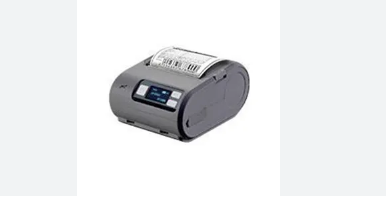
Managing retail or warehouse operations requires reliable hardware that keeps lines moving and inventory tracked. A sudden breakdown in point-of-sale equipment can bring sales to an unexpected halt, costing companies both time and revenue. That is exactly why investing in a high-quality Ticket printer (impresora de tickets) is essential for modern business success.
Whether you run a bustling storefront or a busy distribution center, printing receipts and labels accurately is crucial.
By evaluating top models, such as those from Zebra, Epson, and Honeywell, you can easily find a device that fits your workflow. This guide answers common questions and highlights the key features you should look for.
What are the most popular printing technologies?
When analyzing the market, thermal printing dominates the retail space. Direct thermal and thermal transfer technologies account for a significant majority of commercial setups due to their speed and low maintenance. For instance, devices like the Zebra ZT231 and Honeywell LNX3 utilize advanced thermal methods to deliver sharp, smudge-free text without needing expensive ink cartridges. However, dot matrix printers, such as the Epson TM-U2200IIB, still hold a vital share of the restaurant industry, where heat-resistant printing is necessary for kitchen orders.
How important is printing speed and resolution?
Speed is a critical metric for customer satisfaction and operational efficiency. Industry data shows that checkout delays are a primary complaint among retail shoppers, directly impacting brand loyalty. High-performance models often reach print speeds of up to 300 mm per second, ensuring receipts are generated almost instantly. Furthermore, a standard resolution of 203 DPI is typically perfect to produce clear, scannable barcodes and highly legible text for daily transactions.
Which connectivity options do businesses prefer?
Modern operations demand flexible and reliable integration. Most enterprise environments utilize devices equipped with multiple connection points to ensure seamless communication with point-of-sale systems. USB remains the dependable baseline standard, but Ethernet and wireless options like Bluetooth are rapidly growing in enterprise adoption. Models such as the EC Line PM-X30 feature USB, Ethernet, and serial ports simultaneously, offering robust versatility for diverse network setups.
Are mobile printers replacing desktop models?
While fixed desktop units like the Zebra ZD621 remain warehouse staples due to their high capacity, mobile printing is steadily on the rise. Compact, battery-powered devices allow floor workers to print labels exactly where they stand, dramatically increasing efficiency. Lightweight units, weighing just over 500 grams and featuring built-in NFC and Bluetooth 5.0, are becoming essential tools for modern inventory management and on-the-spot retail labeling.
Finding Your Ideal Printing Solution
Selecting the right hardware ultimately comes down to understanding your specific operational needs and daily workflow. Evaluate your average print volume, preferred connectivity methods, and required mobility before making a final purchase. Upgrading your equipment will streamline your everyday processes, reduce maintenance downtime, and greatly improve overall customer satisfaction. Explore trusted brands to secure a device that supports your growth.