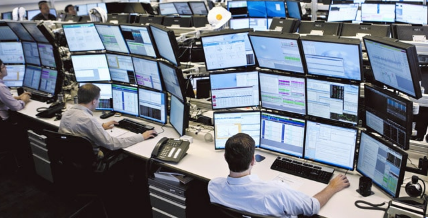
One of the most defining characteristics of proprietary trading is its strong focus on process. Rather than measuring success through isolated outcomes, this model emphasizes disciplined execution, preparation, and behavioral consistency. This shift helps traders develop resilience and long-term confidence.
Process-focused trading encourages thoughtful decision-making. Traders learn to prioritize strategy alignment and execution quality instead of emotional reactions. This approach leads to calmer participation and improved judgment across varying market conditions.
Preparation is treated as a core responsibility. Traders are guided to analyze conditions before engaging. This preparation reduces impulsive behavior and promotes clarity. Over time, traders trust their preparation, which strengthens confidence and emotional stability.
Preparation is a defining element of proprietary trading. Traders are guided to assess market conditions carefully before acting. This deliberate approach improves decision quality and helps traders remain composed during uncertainty. Over time, preparation becomes a habit that supports consistent engagement.
Proprietary trading environments reinforce patience. Traders are encouraged to wait for alignment rather than forcing activity. This selective engagement often improves execution quality and reduces unnecessary exposure.
Reflection is essential to process-driven growth. Traders regularly review actions and emotional responses. This reflection helps identify strengths and inefficiencies. Instead of repeating habits unconsciously, traders evolve through awareness and adjustment.
The focus on process also supports emotional balance. By shifting attention away from immediate results, traders experience less stress and more clarity. This balance allows for more consistent participation and better long-term outcomes.
At its core, proprietary trading focuses on alignment between trader behavior and firm expectations. Traders are encouraged to prioritize preparation, thoughtful execution, and emotional balance. This alignment reduces impulsive decisions and promotes confidence rooted in process rather than reaction.
Accountability further strengthens process discipline. Traders are responsible for their decisions and behaviors. This responsibility promotes honesty and continuous refinement rather than avoidance.
Conclusion
Proprietary trading emphasizes process to support disciplined growth and emotional balance. By focusing on preparation and execution, traders build sustainable confidence and long-term consistency.