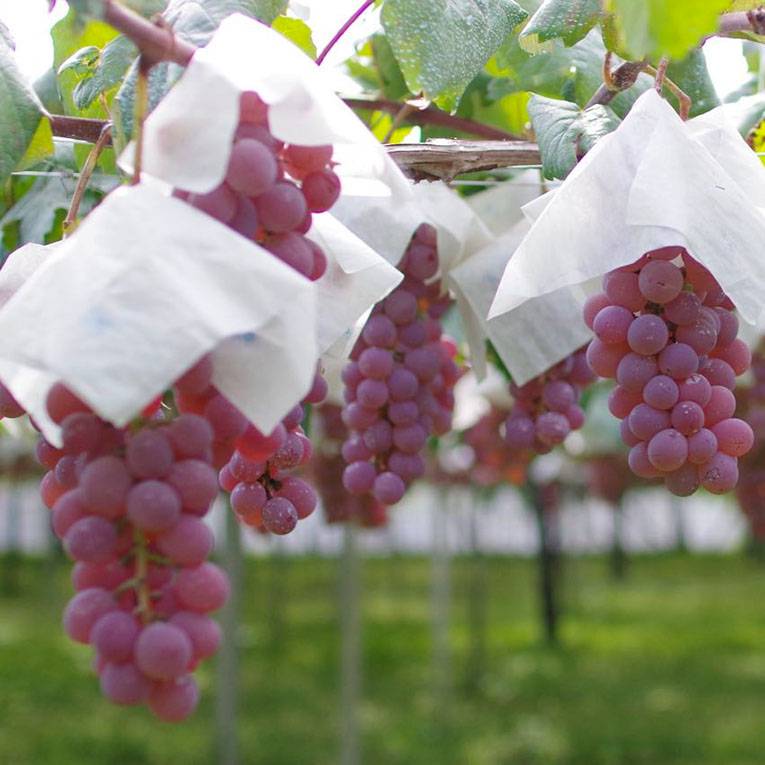
wine tasting tours offer an exceptional opportunity for enthusiasts and novices alike to explore the nuances of wine production, savor diverse varietals, and immerse themselves in the rich culture surrounding this timeless beverage. From picturesque vineyards to elegant tasting rooms, these tours provide a comprehensive experience that goes beyond mere sampling, delving into the artistry and craftsmanship behind each bottle.
The Essence of a Wine Tasting Tour
A well-organized wine tasting tour is designed to provide a thorough understanding of the winemaking process, from grape cultivation to the final product. These tours typically begin with a visit to a winery or vineyard, where participants can witness the various stages of production. Guided tours often include a walk through the vineyards, explanations of viticulture practices, and insights into the fermentation and aging processes.
The educational aspect of wine tasting tours is complemented by the sensory experience of tasting. Participants have the chance to sample a range of wines, each reflecting the unique terroir and winemaking techniques of the region. Tastings are usually conducted in a structured manner, allowing guests to appreciate the subtle differences between varietals and understand how factors such as climate, soil, and aging influence the wine’sflavor profile.
Exploring Different Wine Regions
Wine tasting tours often focus on specific regions known for their distinctive wine styles. Each region offers its own unique characteristics, shaped by its climate, soil, and local traditions.
Classic Regions
In classic wine regions such as Bordeaux in France, Napa Valley in California, or Tuscany in Italy, tours provide an opportunity to explore renowned estates and taste iconic wines. These regions are known for their historical significance and contributions to the global wine industry. A tour in these areas typically includes visits to prestigious wineries, discussions with winemakers, and tastings of celebrated varietals like Cabernet Sauvignon, Merlot, and Chianti.
Emerging Regions
Emerging wine regions, such as those in South Africa, Australia, or Japan, offer a fresh perspective on winemaking. Tours in these areas highlight innovative techniques and unique varietals that are gaining recognition on the international stage. For example, a wine tasting tour in Japan might focus on the Koshu grape, a native varietal known for its crisp and delicate white wines.
Cultural and Culinary Enhancements
A comprehensive wine tasting tour often includes more than just wine sampling. Many tours incorporate local culinary experiences, such as gourmet meals prepared with regional ingredients. These food pairings enhance the tasting experience by demonstrating how wine complements various dishes and elevates the overall dining experience.
Additionally, wine tasting tours frequently feature cultural activities that enrich the visit. Guests might explore historical sites, visit local markets, or participate in traditional festivals. These experiences provide a deeper understanding of the region’s heritage and its connection to winemaking.
Personalizing Your Experience
Wine tasting tours can be tailored to suit individual preferences and interests. Whether you are interested in exploring specific varietals, learning about sustainable practices, or engaging with local winemakers, many tours offer customizable options. Private tours, small group experiences, and themed tastings can be arranged to provide a more personalized and intimate experience.
Conclusion
Wine tasting tours offer a sophisticated and immersive way to explore the world of fine wines. By combining educational insights with sensory experiences, these tours provide a comprehensive understanding of winemaking and an appreciation for the artistry involved. Whether visiting classic wine regions or discovering emerging areas, participants can enjoy a journey that celebrates the rich traditions, diverse flavors, and cultural significance of wine.